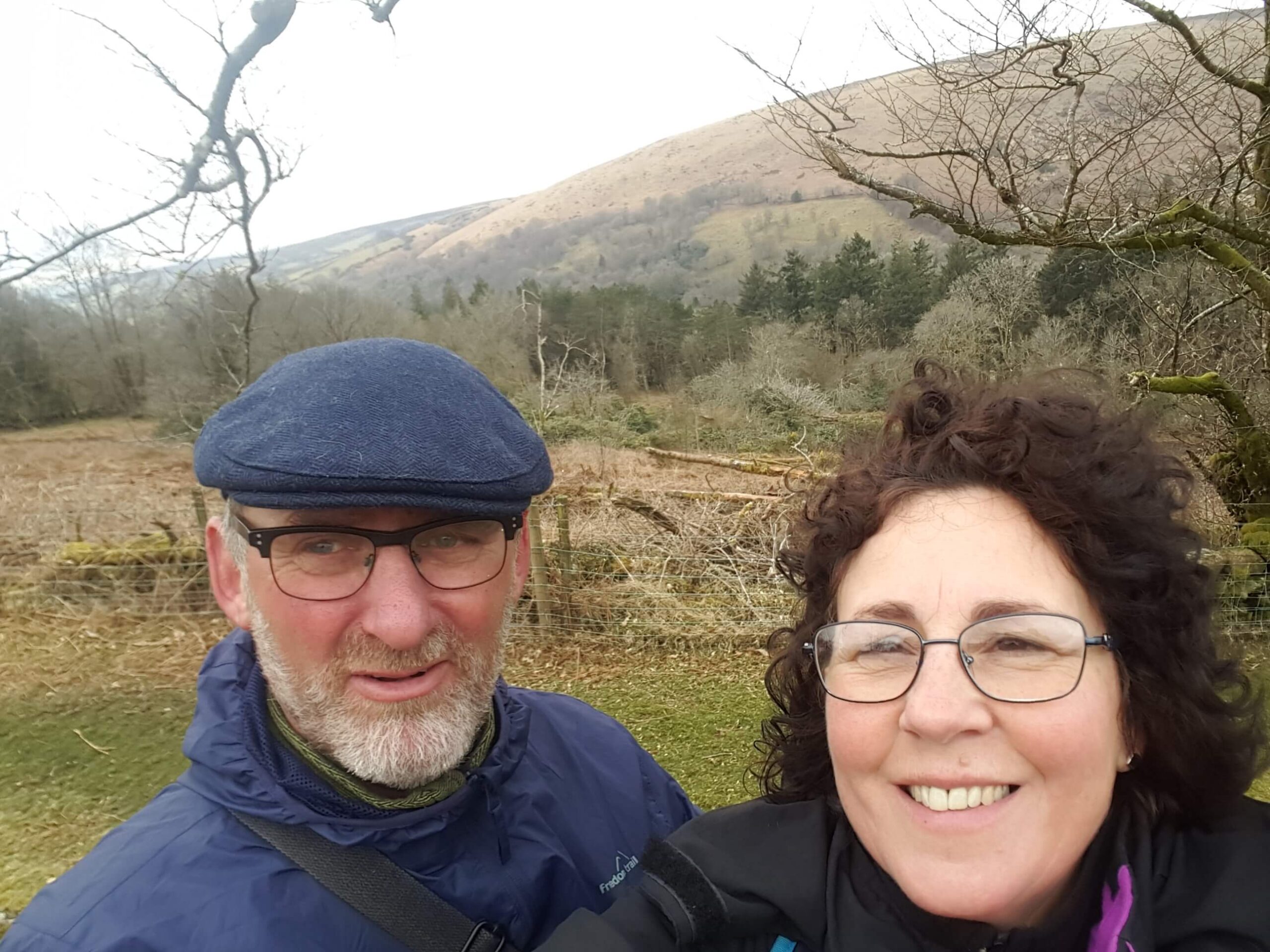
About Matt
I have had an interest in local & family history ever since I was a teenager, the area of Essex I grew up in was home to numbers of traditional travelling families. The strong self-identification, language and relatedness amongst these families was very noticeable. In an age where homogenisation was increasing in British society, this resilient cultural group with its own lifestyle, seemed to stand aside of the mainstream.
As a mature student I attended The Institute of Archaeology, University College London, studying Medieval Archaeology, in my case with particular interest in British families and the relationship between social history and DNA.. In my first year I met Prof. Mark Thomas at the Centre for Genetic Anthropology (TCGA) at the biology Department of UCL. The project was collecting DNA from those with male ancestry in certain historical groups, studying the Y chromosome to see if the biological findings could add to the historical narrative. As part of my degree course dissertation, I decided to look at the Y chromosome of living males carrying Cornish language surnames.
After leaving UCL, I thought sampling males from the historical British Romany & Traveller community would be a productive project. The boom in online genealogical research made this possible, as each family tree could be checked for living males bearing the surnames of interest. Once again I collaborated with Prof. Mark Thomas and was supervised by Prof. Turi King (University of Leicester)
From the outset the search for donors went very well and often one contact would ‘snowball’ with cousins and friends taking part. Eventually we collected 140 samples, a large number of which had Y chromosome markers that indicated male lineage origins in India. This data sitting aside the strong self-identification of those sampled or at least the recent history of families pointed to a number of British families being part of the migration out of India over a thousand years ago. Importantly, historical research showed all those sampled were shown to have had recent ancestors from the settled community. From the earliest years of the Diaspora this community would have drawn on the host nations, their customs, language & for partners, and ultimately their DNA
The DNA findings are fascinating, but the day-to-day history of the historical travelling community can be found in thousands of references in historical documents, WAYFARERS aims to present this data in searchable format.